The Glue in the Machine: How Thread Locker Is Quietly Blowing Up Your Torque Specs
There's a bottle of blue Loctite on almost every workbench in America. It's practically a reflex at this point — vibration-prone fastener, dab of thread locker, torque to spec, move on. Simple. Reliable. Except it's not always either of those things, and the mechanics who've figured that out aren't exactly broadcasting it.
The problem isn't thread locker itself. The problem is that OEM torque specs were written without it in mind — and when you introduce an adhesive into the fastener stack, you change the friction dynamics in ways that can push clamp load either too high or embarrassingly low. Most shops don't know this is happening. A few do, and they're quietly making adjustments nobody's putting in a service bulletin.
Why Torque Specs and Thread Locker Don't Naturally Get Along
Here's the core issue: torque is a proxy for clamp load. You're not really torquing a bolt — you're using rotational force to stretch it a specific amount, creating tension that holds your assembly together. The torque spec is calculated assuming a known friction coefficient between the bolt threads, the nut or mating threads, and the bearing surface under the head.
Change the friction, and the whole equation shifts.
Thread locker adds lubricity during installation — especially the removable grades like the blue (medium-strength) formulas. That slicker surface means less of your applied torque is fighting friction, which means more of it is converting to actual stretch. The bolt gets tighter than the spec intended. On aluminum components especially, that's a problem. You can pull threads or crack housings while the torque wrench is still telling you everything's fine.
Permanent-grade (red) thread lockers behave a bit differently, but they're not innocent either. Depending on the formula and the gap between threads, they can actually add drag during installation — particularly on finer thread pitches or when applied too heavily. Now you're in the opposite situation: the wrench clicks, but the bolt hasn't reached the clamping force you need.
Either way, the OEM spec is no longer accurate. It was written for clean, dry, or at most lightly oiled threads. Not for adhesive.
The Shop Failures Nobody Talks About
This isn't theoretical. Mechanics across the country are running into real problems, and the failure modes are often baffling until you trace them back to thread locker.
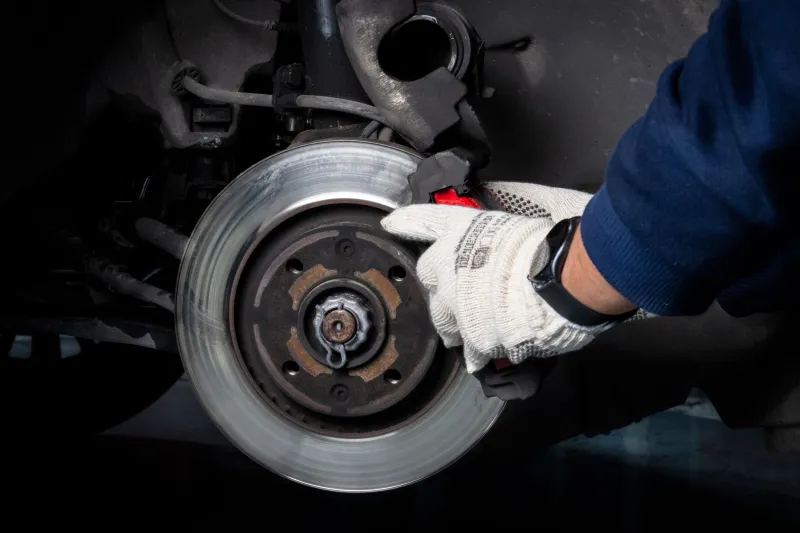
One scenario that comes up repeatedly in tech forums and shop conversations: caliper bracket bolts on import vehicles. The factory spec calls for a dry torque — often somewhere in the 70–100 ft-lb range. Tech reaches for the blue Loctite because the job calls for it (or because it's just habit), torques to spec, and six months later the customer's back with a loose bracket. What happened? The adhesive lubricated the threads during installation, the bolt didn't stretch enough, and once the Loctite cured it locked in that insufficient clamp load permanently.
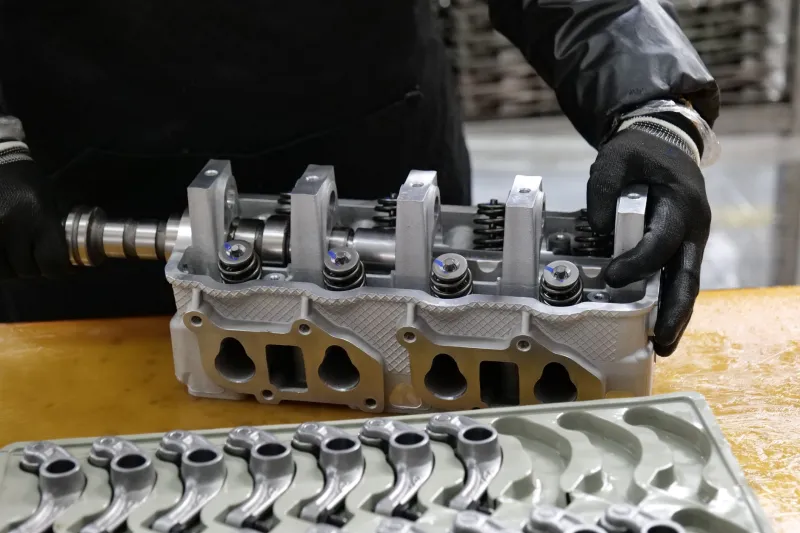
Flip side: head bolts on an aluminum small block. Some performance builds call for thread locker on specific fasteners to prevent loosening under heat cycling. Applied too liberally, that same blue formula can cause the bolt to over-torque before the wrench clicks. The threads pull. The head gasket sealing surface is compromised. And the tech has no idea because the wrench said it was right.
These aren't rare edge cases. They're happening in shops that are doing everything else correctly.
What Experienced Techs Are Actually Doing
The mechanics who've been burned by this — or who've studied it closely enough to see it coming — are making quiet adjustments. The specifics vary, but the logic is consistent.
For removable-grade thread locker on dry-spec fasteners, some techs are reducing target torque by 10–15% to compensate for the reduced friction. The idea is that the lower friction gets you to the same clamp load with less applied torque. It's not a universally agreed-upon number, and you won't find it in any service manual, but it's based on real-world feedback and friction coefficient data from adhesive manufacturers.
For permanent-grade applications, particularly on fine threads or when heavy application is likely, some techs are going slightly over spec — maybe 5–10% — to account for the added drag. Again, informal, undocumented, but grounded in experience.
A few shops have started using torque-to-yield (TTY) awareness as a guide. If a fastener is designed to stretch to its yield point, any friction change is especially dangerous. Those techs are simply avoiding thread locker on TTY bolts altogether, opting for other anti-loosening strategies.
What the Adhesive Manufacturers Know (And Mostly Don't Say Loudly)
This is where it gets interesting. Henkel (Loctite's parent company) and other manufacturers do publish friction coefficient data for their products. It's in the technical data sheets, buried in the engineering documentation. The information exists. It's just not being translated into torque adjustment guidance that mechanics can actually use.
Some of that data shows that Loctite 243 (the blue standard) reduces the friction coefficient of steel-on-steel threads by a meaningful margin during installation — enough to affect clamp load at standard torque values. The cure cycle changes the equation again, locking in whatever stretch was achieved.
The industry hasn't built a clean bridge between this data and practical torque guidance. That's the gap. And until someone fills it with a proper standard or a widely-adopted adjustment table, individual techs are going to keep reverse-engineering it on their own.
Picking the Right Tool for the Job
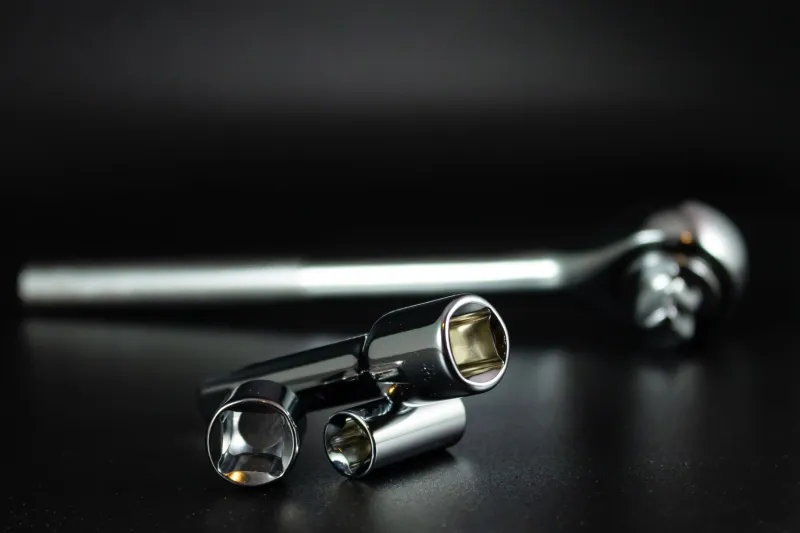
If you're working with thread locker regularly, your torque wrench setup matters more, not less. Accuracy at the lower end of the torque range is critical — those 10–15% adjustments often put you in territory where a cheap wrench's margin of error eats up the entire correction you were trying to make.
A quality click wrench with a verified calibration, or a digital wrench with real-time angle tracking, gives you the precision to actually execute these adjustments meaningfully. If your wrench is off by 8% and you're trying to apply a 12% correction, you've accomplished nothing.
Calibration matters here too. A wrench that was accurate six months ago may have drifted. If you're making deliberate, informed adjustments to account for thread locker friction, you need a tool you can actually trust.
The Bottom Line
Thread locker is a legitimate tool. It belongs in professional shops. But treating it as a passive, consequence-free add-on is where things start going sideways. The friction it introduces — or removes — is real, and your factory torque spec has no idea it's there.
The best techs in the business already know this. They're making adjustments, checking their work, and using calibrated equipment that can actually hold the tolerances those adjustments require. The rest of the industry is starting to catch up.
If you've been clicking to spec and calling it done without thinking about what's on those threads, it might be time to rethink the reflex.